Seam Allowance Guide: A Comprehensive Overview
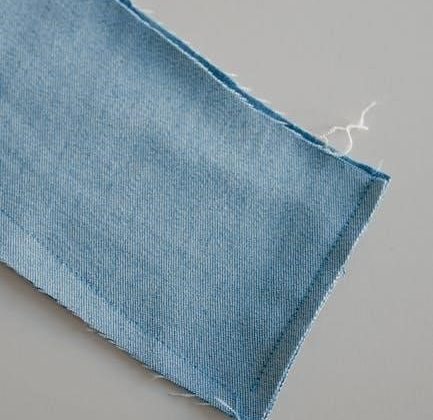
This guide details seam allowances, crucial spaces between fabric edges and stitch lines․ Standard sizes range from 3/8 to 5/8 inch, impacting garment fit and construction․
What is a Seam Allowance?
A seam allowance represents the distance between the intended stitch line – where fabrics are joined – and the raw edge of the fabric itself․ Essentially, it’s the fabric ‘buffer’ left beyond the sewing line․ This allowance isn’t part of the final garment dimensions; instead, it provides necessary space for sewing, finishing raw edges to prevent fraying, and allows for adjustments during fitting․
Standard allowances typically range from 1/4 inch to 5/8 inch, though variations exist based on fabric type and garment style․ Understanding this concept is fundamental to successful sewing, ensuring a durable and well-constructed finished product․ It’s the unseen element that contributes significantly to a garment’s longevity and appearance․
Why are Seam Allowances Important?
Seam allowances are vital for several reasons, extending beyond simply holding fabric pieces together․ They provide strength and durability to seams, preventing unraveling and ensuring garments withstand wear and washing․ A sufficient allowance allows for pressing seams open or to one side, contributing to a professional finish․
Furthermore, they offer flexibility for alterations; a generous allowance provides fabric to let out if needed, accommodating changes in size or fit․ They also facilitate various seam finishing techniques, like serging or binding, protecting raw edges․ Ignoring seam allowances can result in weak seams, fabric fraying, and a poorly constructed garment․
Standard Seam Allowance Sizes
Common seam allowances typically range between 3/8 inch (1cm) and 5/8 inch (1․5cm)․ However, these aren’t rigid rules; variations exist depending on the project and fabric type․ Some patterns utilize a 1/4 inch (0․6cm) allowance, particularly for quilting or delicate fabrics․ Larger allowances, extending several centimeters, are sometimes seen in couture or garments requiring substantial alteration potential․
The 5/8 inch allowance is widely considered a standard in commercial patterns, offering a balance between seam strength, ease of pressing, and alteration flexibility․ Understanding these sizes is crucial for accurate cutting and sewing, ensuring a well-fitted and durable final product․
Common Seam Allowance Widths & Their Uses
Different seam allowances serve distinct purposes․ A 1/4 inch allowance is ideal for quilting and lightweight fabrics, minimizing bulk․ The 3/8 inch allowance is often found in vintage patterns and can be suitable for lighter-weight garments․ A 1/2 inch allowance provides moderate strength and is versatile for many projects․
The most prevalent 5/8 inch allowance offers ample room for pressing, grading, and future alterations․ Larger allowances, exceeding 1 inch, are used when significant adjustment potential is needed or for heavier fabrics․ Choosing the correct width impacts seam strength, fabric consumption, and the overall finish․
1/4 Inch (0․6cm) Seam Allowance
A 1/4 inch seam allowance is frequently utilized in quilting, where precision and minimal bulk are paramount․ It’s also suitable for lightweight fabrics like voile or chiffon, preventing overly bulky seams․ This narrow allowance demands accurate cutting and sewing to avoid unraveling or seam failure․
When using a 1/4 inch allowance, consider finishing the raw edges with a serger or zigzag stitch to enhance durability․ It’s less forgiving for alterations, offering limited fabric for letting out seams․ This width is often found in patterns designed for delicate or intricate projects requiring a refined finish․
3/8 Inch (1cm) Seam Allowance
The 3/8 inch seam allowance represents a balance between stability and bulk, often found in commercial patterns, particularly those for lighter-weight garments․ It provides a bit more leeway than a 1/4 inch allowance, making it slightly more forgiving for beginner sewers․ This width is commonly used for sewing blouses, skirts, and other apparel where a relatively flat seam is desired․
While offering some room for adjustments, a 3/8 inch allowance still requires careful finishing of raw edges to prevent fraying․ It’s a versatile choice suitable for a range of fabric types, offering a good compromise between durability and a clean aesthetic․
1/2 Inch (1․3cm) Seam Allowance
A 1/2 inch seam allowance is a popular choice, offering a good balance of strength and manageability․ It’s frequently utilized in garment construction, providing ample fabric for seam finishing techniques like serging or zigzag stitching, effectively preventing fraying and increasing durability․ This width is particularly beneficial when working with medium-weight fabrics․
The extra width allows for easier pressing and grading of seams, resulting in a professional finish; It also provides a comfortable margin for adjustments, should alterations be needed․ Many sewists find this allowance versatile and reliable for a wide variety of projects․
5/8 Inch (1․5cm) Seam Allowance
The 5/8 inch seam allowance is arguably the most common, widely used in commercially produced patterns․ It provides a substantial margin for seam manipulation, offering excellent strength and durability to finished garments․ This generous width is ideal for fabrics prone to fraying or those requiring more robust seam finishes․
It allows for significant adjustments – up to 1/2 inch can be let out if needed – and simplifies grading seams for a flatter, more professional look․ This allowance is particularly favored for heavier weight fabrics and garments intended for frequent wear and washing, ensuring longevity․
Seam Allowance Variations by Garment Type
Seam allowance isn’t one-size-fits-all; it varies significantly based on the garment’s design and intended use․ Clothing generally utilizes 5/8 inch for standard construction, while delicate fabrics or designs may benefit from a narrower 1/4 or 3/8 inch․ Quilting consistently employs a precise 1/4 inch for accurate block assembly․
Bags and accessories often require wider allowances – sometimes several centimeters – to withstand stress and provide structural integrity․ Garments with curves or complex shaping may also necessitate adjusted allowances for smooth seam lines․ Considering the garment type ensures a well-constructed and durable final product․
Seam Allowances for Clothing
For most clothing construction, a 5/8 inch (1․5cm) seam allowance is the industry standard, offering flexibility for alterations and providing a secure seam․ However, lighter-weight fabrics or designs requiring a more delicate finish often utilize a 3/8 inch (1cm) allowance․ This narrower width minimizes bulk and creates a cleaner appearance․
Areas prone to stress, like crotch seams, may benefit from a slightly wider allowance for reinforcement․ Sleeve hems frequently use 2-4cm for ample fabric to accommodate adjustments and prevent fraying․ Ultimately, the chosen allowance impacts the garment’s fit, durability, and aesthetic․
Seam Allowances for Quilting
Quilting traditionally employs a precise 1/4 inch (0;6cm) seam allowance․ This consistency is paramount, ensuring accurate block construction and seamless joining of patchwork pieces․ The smaller allowance minimizes bulk when layering multiple fabric sections, crucial for achieving a flat quilt surface․ Specialized quilting feet for sewing machines aid in maintaining this precise width․
Deviating from 1/4 inch can lead to blocks not aligning correctly, resulting in a distorted quilt top․ Accurate cutting and consistent sewing are vital alongside the correct seam allowance․ This standard allows for predictable results and facilitates the use of pre-cut fabric squares and templates․
Seam Allowances for Bags & Accessories
Bags and accessories often require more robust seam allowances, typically ranging from 1/2 inch (1․3cm) to 5/8 inch (1․5cm)․ This increased width provides durability, essential for items subjected to stress and frequent use․ Heavier fabrics, like canvas or leatherette, benefit from wider allowances to prevent seam unraveling and withstand strain․
For straps and handles, a generous seam allowance is crucial for reinforcement․ Consider double-stitching or using interfacing to further strengthen these areas․ When working with linings, matching seam allowances ensures a clean finish․ A larger allowance also allows for easier adjustments during construction and provides extra fabric for decorative topstitching․
Adjusting Seam Allowances
Sometimes, pattern seam allowances need modification to achieve the desired fit or accommodate fabric limitations․ Increasing a seam allowance provides more fabric for adjustments, letting out seams if needed, and adds strength․ Conversely, decreasing a seam allowance can refine a garment’s shape, but caution is advised – reducing it too much compromises durability․
When altering allowances, maintain consistency across corresponding seams․ Carefully consider the fabric type; woven fabrics generally tolerate smaller adjustments than knits․ Always test adjustments on a muslin before cutting into your final fabric․ Remember that altering seam allowances impacts the overall garment dimensions, so precise measurements are vital․
Increasing Seam Allowance
Expanding a seam allowance offers flexibility and future-proofing for your projects․ This is particularly useful when working with vintage patterns or anticipating potential fit adjustments․ To increase, carefully add fabric strips along the existing seam line, ensuring a smooth, even extension․ This provides extra material for letting out seams later, accommodating growth, or making significant alterations without compromising garment integrity․
Increased allowances also bolster seam strength, crucial for high-stress areas like crotch seams or armholes․ When adding width, consider the fabric weight; heavier fabrics benefit from larger allowances․ Always baste the added fabric before sewing to confirm a clean finish and prevent puckering․
Decreasing Seam Allowance
Reducing a seam allowance requires precision and careful consideration, as it permanently alters the garment’s structure․ This is often done to refine fit in areas where excess fabric creates bulk or an undesirable shape․ To decrease, carefully trim the excess fabric after fitting the garment, leaving a sufficient allowance for secure stitching – generally no less than 1/4 inch․
Always test the reduced seam on a scrap of fabric first․ Be mindful of fabric fraying; finish the raw edge immediately after trimming with a serger, zigzag stitch, or bias tape․ Decreasing allowances is best suited for stable fabrics and should be approached cautiously with knits․
Seam Allowance and Fabric Type
Fabric characteristics significantly influence optimal seam allowance choices; Woven fabrics, generally stable, can accommodate standard 5/8 inch allowances, providing durability and ease of alteration․ However, tightly woven fabrics may require slightly narrower allowances to prevent puckering․
Knit fabrics, prone to stretching, benefit from narrower seam allowances – typically 1/4 to 3/8 inch – to maintain stability and prevent distortion․ Utilizing a serger or stretch stitch is crucial with knits to secure the seam and prevent unraveling․ Consider fabric weight; heavier knits may need a slightly wider allowance․
Seam Allowance for Woven Fabrics
Woven fabrics generally thrive with a 5/8 inch (1․5cm) seam allowance, offering ample space for pressing, grading, and future alterations․ This standard width provides a robust seam, suitable for most garment constructions․ For lightweight wovens like voile or chiffon, a narrower 1/4 or 3/8 inch allowance can prevent bulkiness and maintain a delicate finish․
When working with heavier wovens, such as denim or canvas, a wider allowance – up to 1 inch – may be beneficial for added strength and durability․ Always test your chosen allowance on a scrap of fabric to ensure a clean, flat seam․
Seam Allowance for Knit Fabrics
Knit fabrics, due to their stretch, often benefit from a narrower seam allowance, typically between 1/4 inch (0․6cm) and 3/8 inch (1cm)․ This minimizes bulk and prevents the seam from losing elasticity․ A wider allowance can restrict the fabric’s natural movement, potentially causing puckering or discomfort;
For lightweight knits like jersey, a 1/4 inch allowance is often sufficient․ Heavier knits, or those requiring extra durability, may warrant a 3/8 inch allowance․ Utilizing a serger or overlock machine is highly recommended for knit seams, providing a clean finish and added stretch․
Dealing with Uneven Seam Allowances
Uneven seam allowances can occur during cutting or due to fabric distortion, impacting a garment’s appearance and fit․ Addressing this requires careful attention․ One technique is “seam carving,” a content-aware resizing method originally for images, adaptable for fabric manipulation, though complex․
More commonly, carefully trim the excess fabric to create a consistent allowance․ If the difference is minimal, ease the fuller side into the shorter side during sewing․ For significant discrepancies, consider re-cutting the affected pieces․ Accurate pattern layout and consistent cutting are preventative measures․
Seam Carving and Content-Aware Image Resizing
Seam carving, initially developed for content-aware image resizing, identifies and removes less significant pixels (or, conceptually, fabric sections) to alter an image’s dimensions․ Applied to sewing, it’s a complex technique involving strategically removing small portions of fabric along seam lines․
This method, pioneered by Avidan and Shamir in 2007, aims to minimize visual distortion․ In garment construction, it’s not a standard practice due to the three-dimensional nature of fabric and the need to maintain structural integrity․ However, it represents an innovative approach to adjusting seam allowances and pattern pieces, though requiring advanced skills․
Seam Allowance in Pattern Making
Seam allowances are integral to pattern making, representing the space needed for joining fabric pieces securely․ Patterns typically include a standard allowance, commonly 5/8 inch (1․5cm), providing flexibility for adjustments and different seam finishes․ However, allowances vary based on garment style and fabric type․
Pattern designers must consider seam allowances during drafting to ensure accurate garment sizing and fit․ Grading, the process of scaling a pattern to different sizes, requires consistent seam allowances across all variations․ Ignoring this crucial step can lead to ill-fitting garments and construction challenges․
Seam Allowance and Grading
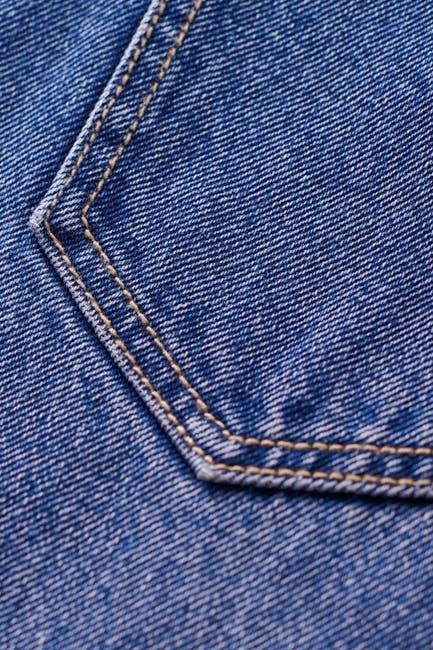
Grading patterns necessitates consistent seam allowances across all sizes to maintain design integrity and fit․ This process involves proportionally increasing or decreasing pattern dimensions, but the seam allowance must remain uniform․ Altering the allowance during grading can disrupt the garment’s intended shape and cause fitting issues․
Accurate grading relies on clearly defined seam allowances on the original pattern․ Designers often use a standard allowance, like 5/8 inch, for ease of grading․ Maintaining this consistency ensures that each size reflects the original design accurately, preventing discrepancies in length, width, and overall proportions․
Seam Allowance for Different Garment Areas
Varying seam allowances cater to specific garment areas and construction needs․ For instance, sleeve hems often require larger allowances – 2-4 cm – to accommodate adjustments and finishing techniques like rolled hems․ Conversely, curves and contoured areas may benefit from smaller allowances, like 1/4 inch, for smoother shaping․

The crotch seam, a critical area for comfort and durability, typically demands a generous allowance, often exceeding 1 inch, to allow for alterations and prevent stress on the seam․ Understanding these nuances ensures a well-fitted and structurally sound garment, optimizing both aesthetics and functionality․
Sleeve Hem Seam Allowance
Sleeve hems generally require a substantial seam allowance, typically ranging from 2 to 4 centimeters (approximately 3/4 to 1 1/2 inches)․ This generous width accommodates various finishing techniques, including rolled hems, narrow double-fold hems, and the application of binding․ A larger allowance provides flexibility for adjustments, ensuring the sleeve length is perfectly tailored to the wearer․
It also allows for potential alterations without compromising the hem’s integrity․ Furthermore, a wider seam allowance facilitates easier pressing and creates a more professional and durable finish, contributing to the overall quality and longevity of the garment․
Crotch Seam Allowance
The crotch seam demands careful consideration regarding seam allowance․ Due to the high stress and movement in this area, a wider allowance is crucial for durability and comfort․ A standard recommendation is 1․5 to 2․5 centimeters (approximately 5/8 to 1 inch), providing ample reinforcement․ This extra fabric helps prevent tearing and ensures the garment can withstand regular wear and washing․
Insufficient allowance can lead to seam failure, particularly in fitted garments․ Reinforcing the crotch seam with additional stitching or a serged finish further enhances its strength and longevity, contributing to a well-constructed and reliable garment․